
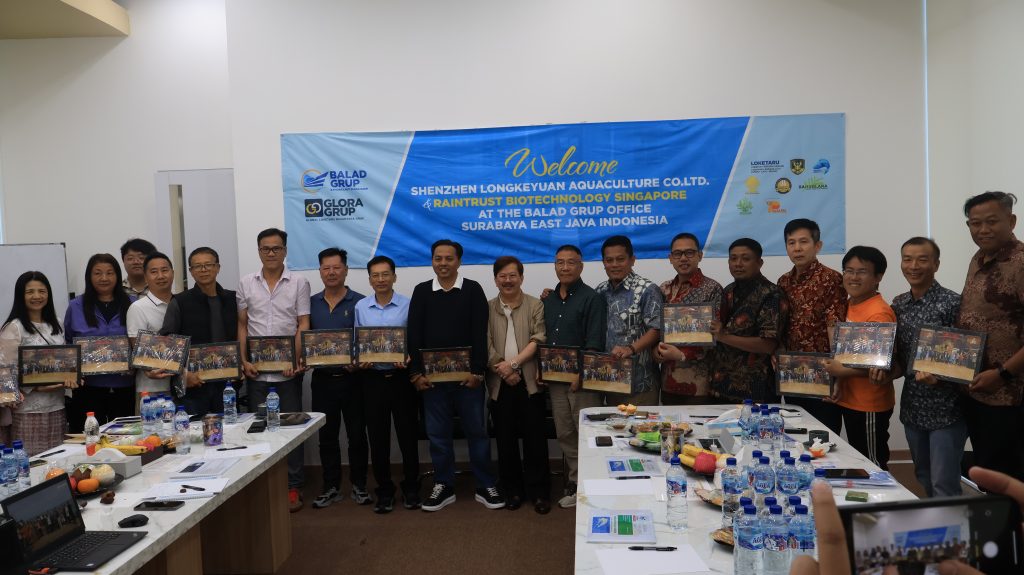
BALAD GRUP – As part of its efforts to expand the aquaculture sector and strengthen international business networks, BALAD Group recently welcomed a delegation of business partners from China and Singapore. The group, consisting of 13 entrepreneurs—eight from China and five from Singapore—traveled to Kangean Island, Sumenep Regency, East Java. This visit follows an earlier survey focused on the development of fish cages and hatchery facilities in the region.
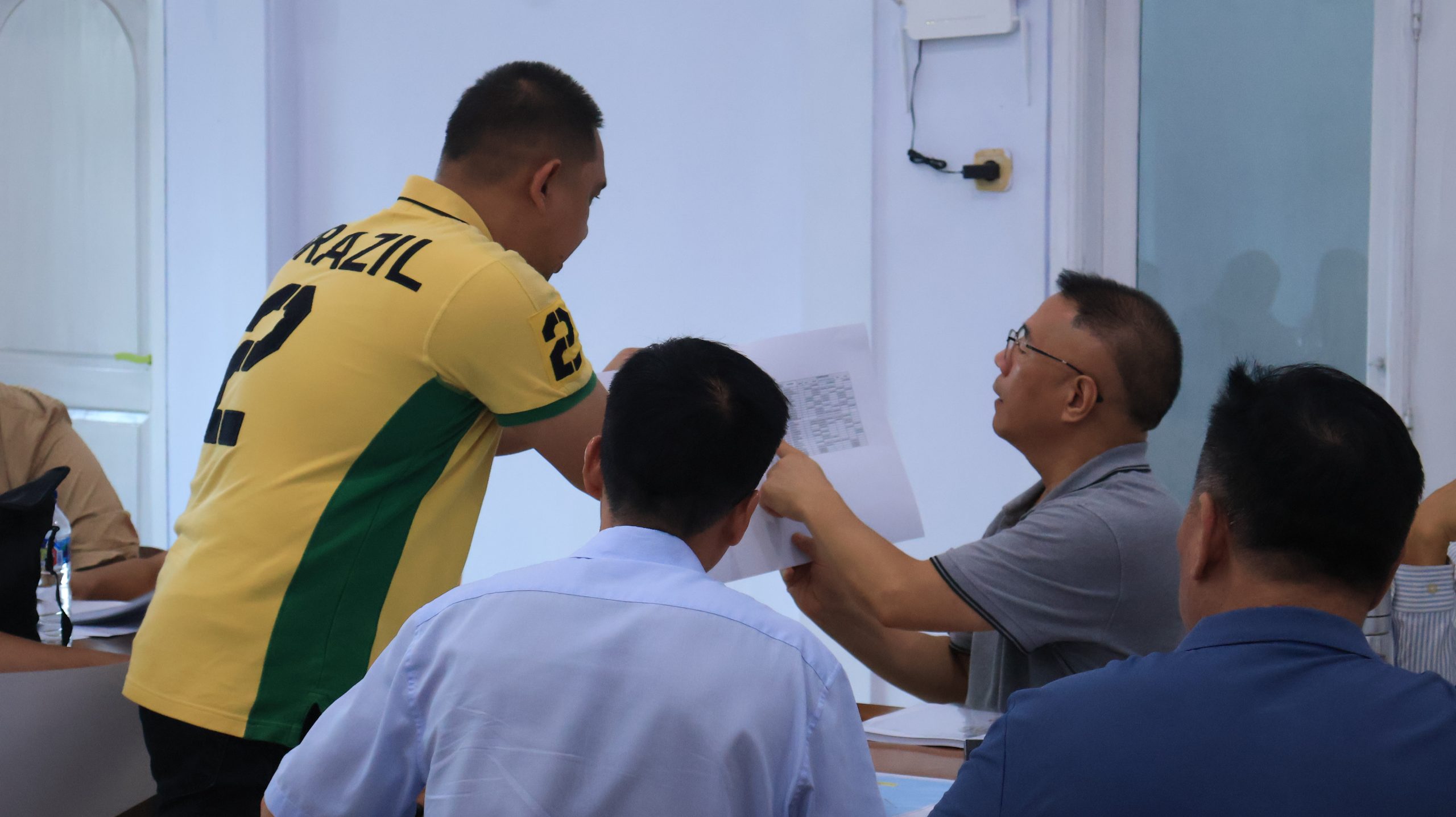
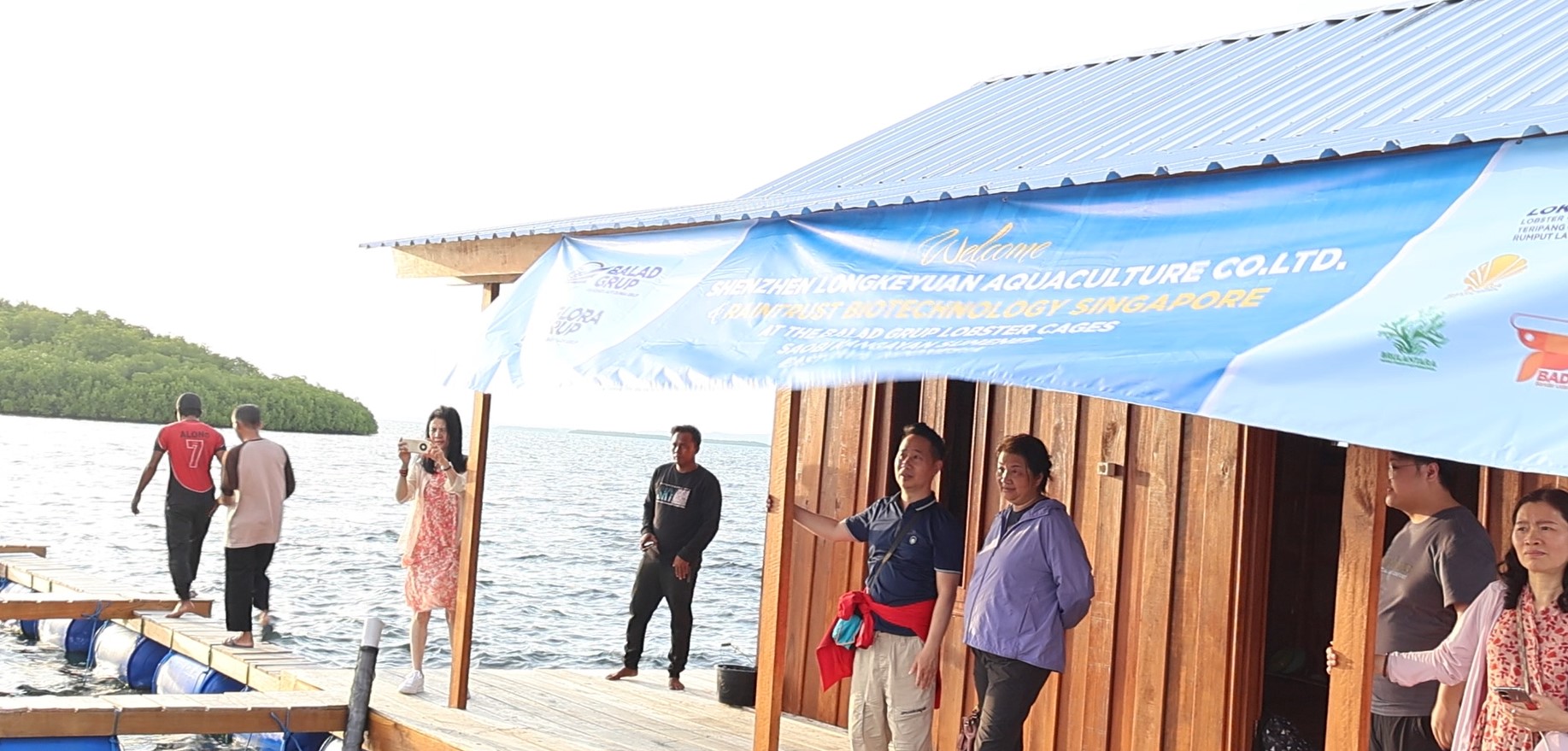
The delegation departed from Kalbut Port aboard a high-speed yacht, heading directly to Saobi Village in the Kangayan District of Kangean Island. Prior to this, the visitors had toured several of BALAD Group’s facilities located in Gelung Village, Panarukan District, Situbondo Regency. These included a hatchery, a fish cage construction warehouse, and a breeding site.
This visit is part of a strategic partnership exploration aimed at supporting the cultivation and distribution of BALAD Group’s leading marine commodities. These include clear lobster seeds (Benih Bening Lobster/BBL), as well as farmed lobster, grouper, clams, sea cucumbers, sea grapes, seaweed, and fan lobsters (branded under LOKETARU). The entrepreneurs expressed strong interest in becoming large-scale buyers of these aquaculture products.
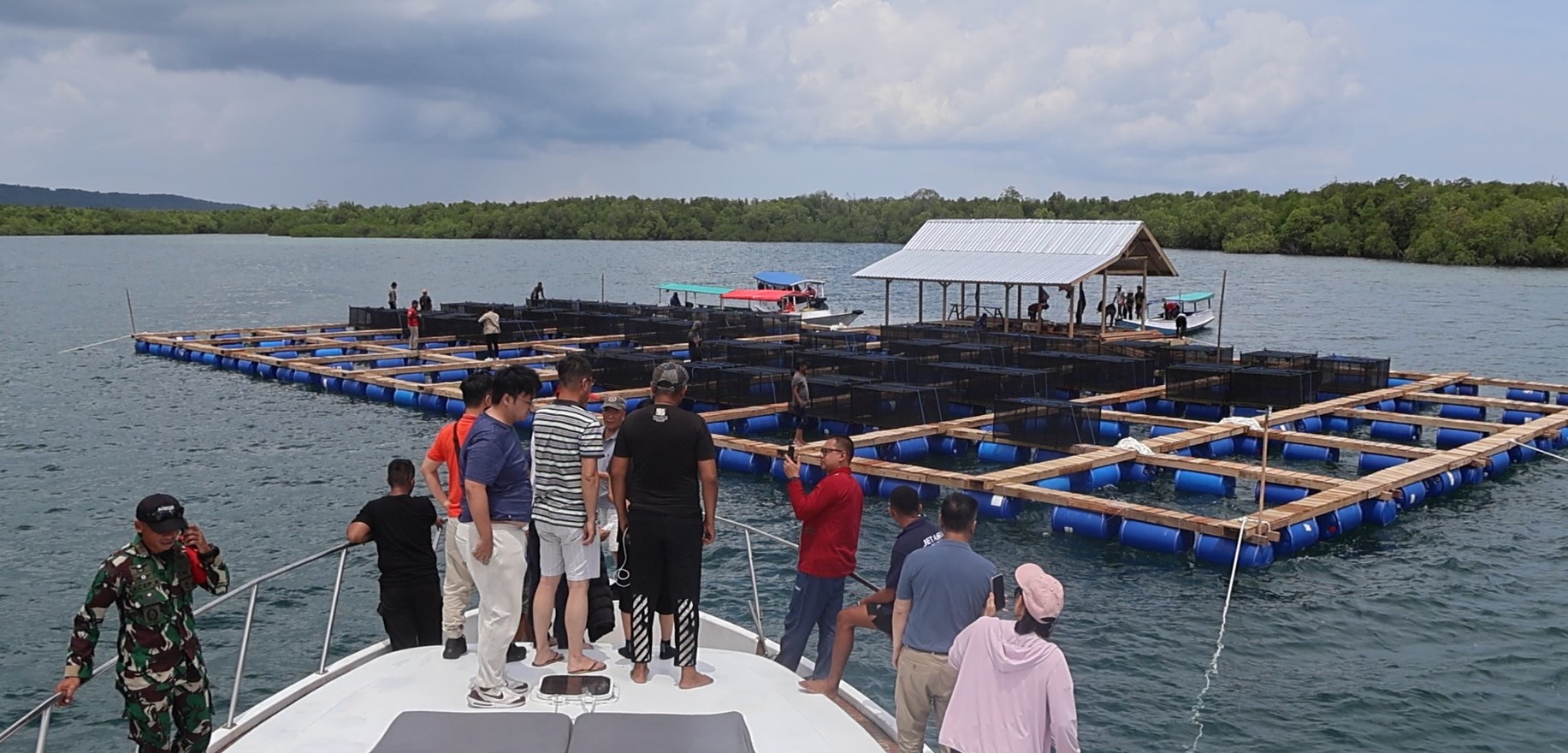
To enhance production capacity, BALAD Group is in the process of constructing 10,000 fish cages. The production of these cages involves local craftsmen from the Mabel community in Situbondo, as part of the company’s commitment to community empowerment and economic development.
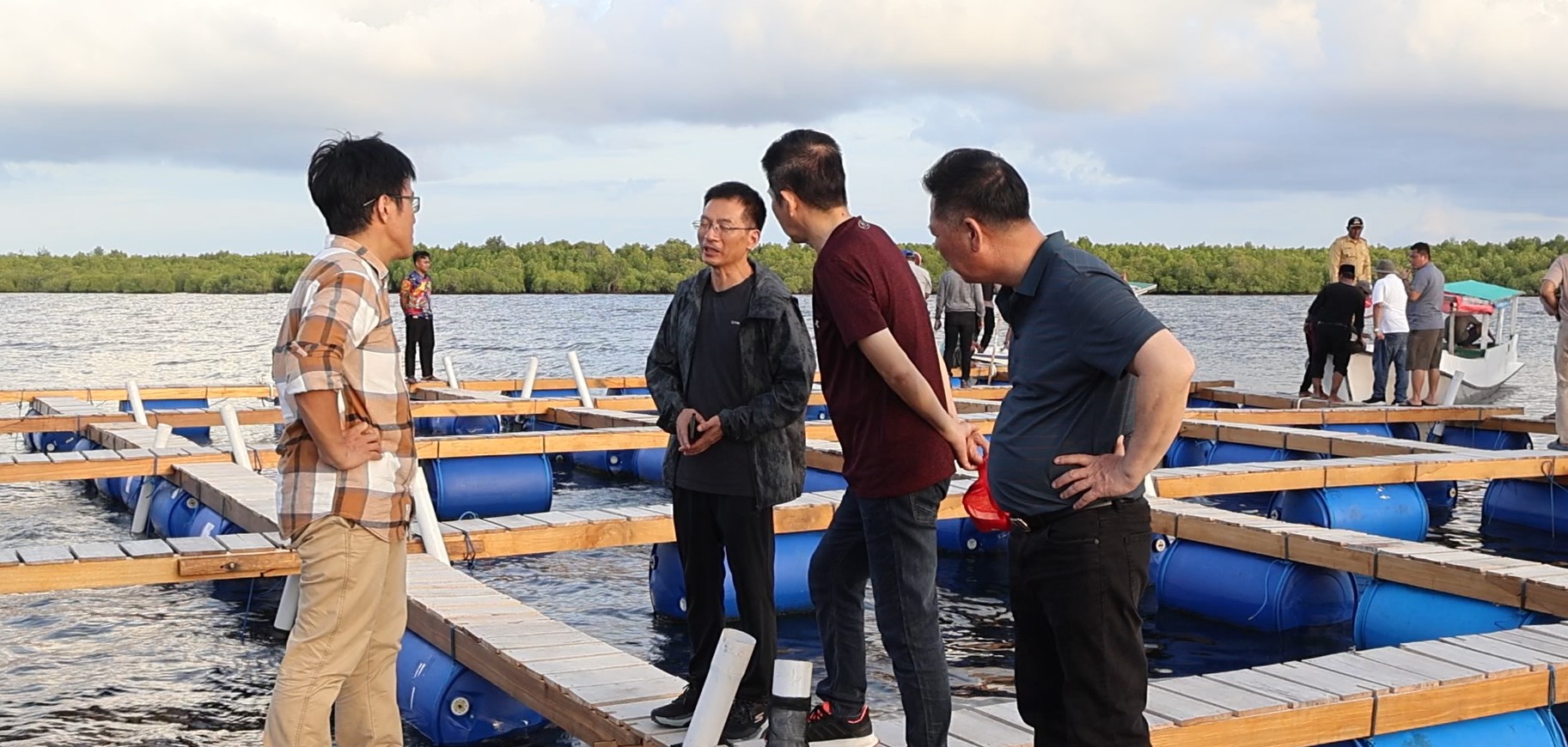
This initiative aligns with BALAD Group’s vision of positioning Indonesia as a global leader in lobster and premium marine aquaculture. The company is deeply committed to sustainable fisheries development that benefits coastal communities—prioritizing humanitarian impact over profit-driven motives.
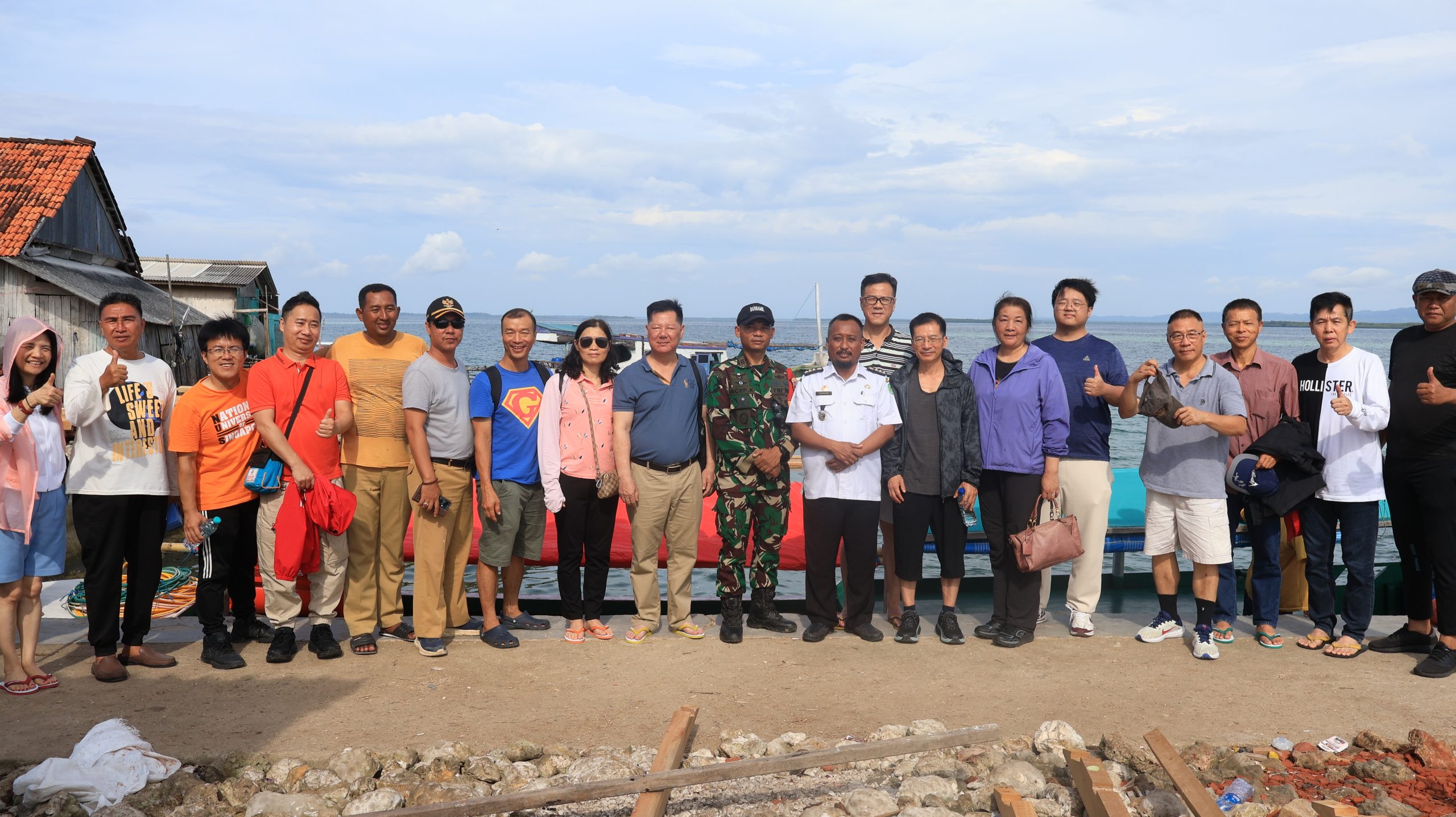
BALAD Group continues to lead the national aquaculture industry with a strong focus on sustainability, community empowerment, and global collaboration.